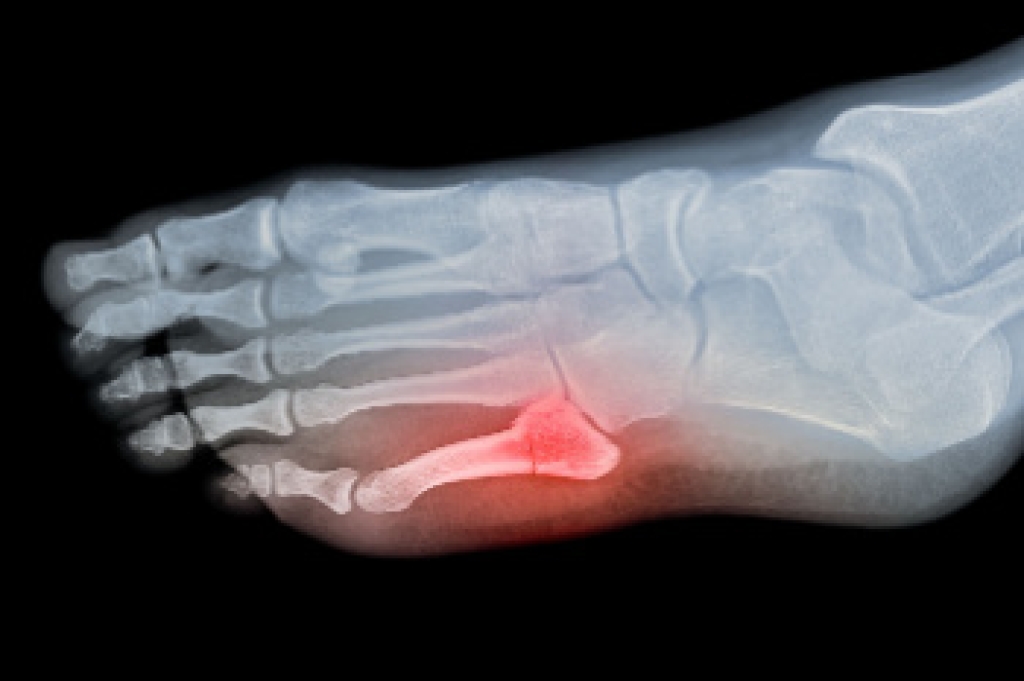
Broken Toe Symptoms and Podiatric Care

A broken toe can happen when a toe is struck, crushed, or hit by a heavy object. Each toe contains small bones that can fracture after an injury. Symptoms can include pain, swelling, and stiffness. Some broken toes can also look crooked if the bone has moved out of its normal position. The big toe deserves particular attention because it plays an important role in balance and walking. An open wound near the injury can also signal a more serious fracture. A podiatrist can examine the toe, assess its position, and determine how serious the injury is. An examination can also help identify whether an X-ray or other evaluation is appropriate.

Treatment for a broken toe depends on the location and severity of the injury. A podiatrist can evaluate the toe and provide care designed to support proper healing. This can include stabilizing the toe, protecting the injured area, and monitoring its progress. Some fractures heal without surgery, while more severe injuries can require additional treatment. A crooked toe may need to be carefully realigned so the bone can heal in a proper position. Injuries involving an open wound, significant swelling, or the big toe require careful evaluation. A podiatrist can also assess how the injury affects your ability to stand, walk, and wear shoes comfortably.

Most broken toes heal with appropriate treatment, but the healing period can vary based on the injury. More serious fractures can take longer to heal and sometimes require casting or surgery. A podiatrist can monitor healing and look for signs that the toe is not recovering as expected. Symptoms like increasing pain or swelling, numbness, or a toe that becomes more crooked should receive prompt attention. Podiatric evaluation can also help reduce the risk of problems caused by an improperly aligned toe. Getting the injury assessed allows treatment to be based on the type and severity of the fracture. If you have broken your toe, it is suggested that you schedule an appointment with a podiatrist for effective relief and treatment solutions.

Broken toes may cause a lot of pain and should be treated as soon as possible. If you have any concerns about your feet, contact Judson Siegel, DPM from Assabet Family Podiatry. Our doctor will treat your foot and ankle needs.

What Is a Broken Toe?

A broken toe occurs when one or more of the toe bones of the foot are broken after an injury. Injuries such as stubbing your toe or dropping a heavy object on it may cause a toe fracture.

Symptoms of a Broken Toe

  • Swelling
  • Pain (with/without wearing shoes)
  • Stiffness
  • Nail Injury

Although the injured toe should be monitored daily, it is especially important to have a podiatrist look at your toe if you have severe symptoms. Some of these symptoms include worsening or new pain that is not relieved with medication, sores, redness, or open wounds near the toe.

If you have any questions please feel free to contact our offices located in Marlborough and Plainville, MA . We offer the newest diagnostic tools and technology to treat your foot and ankle needs.

Read more about What to Know About a Broken Toe

Running Injuries That Affect the Foot and Ankle

Foot and ankle pain while running is often the result of overuse injuries. These occur when repetitive stress exceeds the body’s ability to recover. The foot and ankle absorb significant impact with each step, making them vulnerable to strain and inflammation. Recognizing the definition of running related injuries can help individuals take preventive measures and maintain consistent activity levels without discomfort.

Symptoms can vary depending on the condition, but often include localized pain, swelling, and reduced mobility. Some runners experience a dull ache that intensifies with activity, while others feel sharp pain during specific movements. Risk factors include over-training, wearing worn-out shoes, and having biomechanical imbalances like flat feet or high arches. Inadequate recovery time between runs can also increase the likelihood of injury. These factors contribute to several common types of foot and ankle conditions seen in runners.


Plantar fasciitis involves inflammation of the plantar fascia and is typically felt as heel pain that is worse after periods of rest. Achilles tendinitis causes discomfort along the back of the ankle and may feel tight or sore during movement. An ankle sprain results from a sudden twist or roll of the joint, leading to pain, swelling, and instability. Additionally, a stress fracture is a small break in the bone that develops gradually and produces a persistent, localized pain that worsens with weight bearing. Each condition affects runners differently but is linked to repetitive strain and mechanical stress.


Preventing foot and ankle pain requires a balanced approach that includes wearing proper footwear, gradual increases in training, and attention to body mechanics. Stretching, strengthening, and rest are important components of injury prevention and recovery. Awareness of risk factors allows runners to make informed decisions about their training routines. If you enjoy running and have developed foot or ankle pain, it is suggested that you consult a podiatrist for effective treatment solutions and prevention tips.

Ankle and foot injuries are common among athletes and in many sports. They can be caused by several problems and may be potentially serious. If you are feeling pain or think you were injured in a sporting event or when exercising, consult with Judson Siegel, DPM from Assabet Family Podiatry. Our doctor will assess your condition and provide you with quality foot and ankle treatment.

Common Injuries

The most common injuries that occur in sporting activities include:

  • Achilles Tendonitis
  • Achilles Tendon Rupture
  • Ankle Sprains
  • Broken Foot
  • Plantar Fasciitis
  • Stress Fractures
  • Turf Toe

Symptoms

Symptoms vary depending upon the injury and in some cases, there may be no symptoms at all. However, in most cases, some form of symptom is experienced. Pain, aching, burning, bruising, tenderness, tightness or stiffness, sensation loss, difficulty moving, and swelling are the most common symptoms.

Treatment

Just as symptoms vary depending upon the injury, so do treatment options. A common treatment method is known as the RICE method. This method involves rest, applying ice, compression and elevating the afflicted foot or ankle. If the injury appears to be more serious, surgery might be required, such as arthroscopic or reconstructive surgery. Lastly, rehabilitation or therapy might be needed to gain full functionality in the afflicted area. Any discomfort experienced by an athlete must be evaluated by a licensed, reputable medical professional.  

If you have any questions please contact our offices located in Marlborough and Plainville, MA . We offer the newest diagnostic and treatment technologies for all your foot and ankle needs.

Read more about Sports Related Foot And Ankle Injuries

Connect With Us

scroll to top