The Link Between Pregnancy and Itchy Feet

Itchy feet during pregnancy, also known as pruritus, is a common issue that can range from mild irritation to intense discomfort. Shifting hormones can increase skin sensitivity, while nerve changes and skin stretching may heighten the urge to scratch. Some women experience itchy feet due to underlying skin conditions, such as psoriasis. A more serious cause is cholestasis of pregnancy, a liver-related condition that can lead to significant itching and requires prompt medical attention. A podiatrist can evaluate your symptoms, provide soothing treatments, recommend safe skin care options, and identify signs that may need further medical testing. If you have developed itchy feet during your pregnancy, it is suggested that you consult a podiatrist for expert guidance and effective relief tips.

Pregnant women with swollen feet can be treated with a variety of different methods that are readily available. For more information about other cures for swollen feet during pregnancy, consult with Judson Siegel, DPM from Assabet Family Podiatry. Our doctor will attend to all of your foot and ankle needs.

What Foot Problems Can Arise During Pregnancy?

One problem that can occur is overpronation, which occurs when the arch of the foot flattens and tends to roll inward.  This can cause pain and discomfort in your heels while you’re walking or even just standing up, trying to support your baby.  

Another problem is edema, or swelling in the extremities. This often affects the feet during pregnancy but tends to occur in the later stages. 

How Can I Keep My Feet Healthy During Pregnancy?

  • Wearing orthotics can provide extra support for the feet and help distribute weight evenly
  • Minimize the amount of time spent walking barefoot
  • Wear shoes with good arch support
  • Wear shoes that allow for good circulation to the feet
  • Elevate feet if you experience swelling
  • Massage your feet
  • Get regular, light exercise, such as walking, to promote blood circulation to the feet

If you have any questions, please feel free to contact our offices located in Plainville, Marlborough, and Somerset, MA . We offer the newest diagnostic and treatment technologies for all your foot care needs.

Read more about Pregnancy and Foot Health

Fracture Blisters and When to Seek Care

A fracture blister is a skin reaction that develops after a bone is fractured, usually in areas where the skin is thin and close to the underlying bone. These blisters form due to swelling and increased pressure, and they can appear within hours or days of the injury. Symptoms may include clear or blood-filled blisters, tight skin on top of the blisters, redness, and tenderness around the injured area. This type of blister indicates significant trauma and requires careful management to prevent infection and complications. A podiatrist can evaluate the injury, protect the skin, and provide guidance for safe healing while addressing the underlying fracture. If you notice blisters after an injury, it is suggested that you promptly consult a podiatrist for proper treatment and protection.

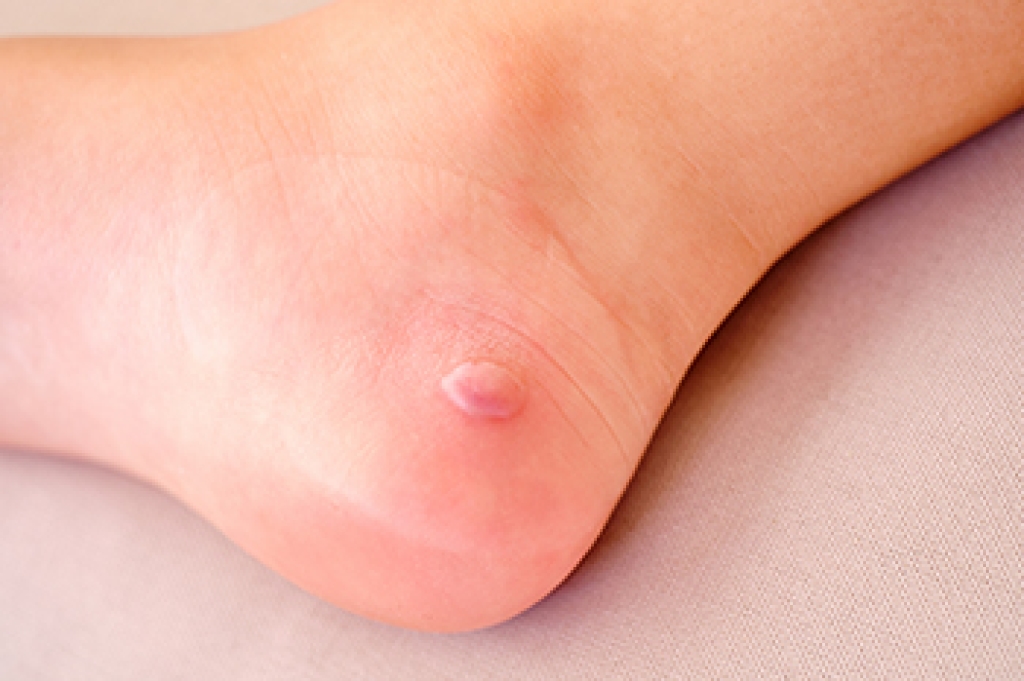
Blisters may appear as a single bubble or in a cluster. They can cause a lot of pain and may be filled with pus, blood, or watery serum. If your feet are hurting, contact Judson Siegel, DPM of Assabet Family Podiatry. Our doctor can provide the care you need to keep you pain-free and on your feet.

Foot Blisters

Foot blisters are often the result of friction. This happens due to the constant rubbing from shoes, which can lead to pain.

What Are Foot Blisters?

A foot blister is a small fluid-filled pocket that forms on the upper-most layer of the skin. Blisters are filled with clear fluid and can lead to blood drainage or pus if the area becomes infected.

Symptoms

(Blister symptoms may vary depending on what is causing them)

  • Bubble of skin filled with fluid
  • Redness
  • Moderate to severe pain
  • Itching

Prevention & Treatment

In order to prevent blisters, you should be sure to wear comfortable shoes with socks that cushion your feet and absorb sweat. Breaking a blister open may increase your chances of developing an infection. However, if your blister breaks, you should wash the area with soap and water immediately and then apply a bandage to the affected area. If your blisters cause severe pain it is important that you call your podiatrist right away.

If you have any questions, please feel free to contact our offices located in Plainville, Marlborough, and Somerset, MA . We offer the newest diagnostic and treatment technologies for all your foot care needs.

Read more about Blisters on the Feet

Differences Between Toenail Fungus and Psoriasis

Toenail fungus and psoriasis can both cause thick, discolored, or damaged toenails, but they have different causes. Toenail fungus is an infection that develops when fungi enter the nail through small openings or cracks. The fungi thrive in moist environments like inside shoes or public showers. It can cause the nail to darken, become brittle, and sometimes give off an odor. Nail psoriasis is an autoimmune condition that affects how skin cells grow beneath the nail. It leads to pitting, yellow or brown discoloration, and buildup that lifts the nail from the bed. Because these conditions look similar, it can be hard to tell them apart without professional help. A podiatrist can examine the toenails, perform tests if needed, and provide the best treatment to restore nail health. If you notice changes to your toenails, it is suggested that you make an appointment with a podiatrist for a diagnosis and treatment.

If left untreated, toenail fungus may spread to other toenails, skin, or even fingernails. If you suspect you have toenail fungus it is important to seek treatment right away. For more information about treatment, contact Judson Siegel, DPM of Assabet Family Podiatry. Our doctor can provide the care you need to keep you pain-free and on your feet.

Symptoms

  • Warped or oddly shaped nails
  • Yellowish nails
  • Loose/separated nail
  • Buildup of bits and pieces of nail fragments under the nail
  • Brittle, broken, thickened nail

Treatment

If self-care strategies and over-the-counter medications does not help your fungus, your podiatrist may give you a prescription drug instead. Even if you find relief from your toenail fungus symptoms, you may experience a repeat infection in the future.

Prevention

In order to prevent getting toenail fungus in the future, you should always make sure to wash your feet with soap and water. After washing, it is important to dry your feet thoroughly especially in between the toes. When trimming your toenails, be sure to trim straight across instead of in a rounded shape. It is crucial not to cover up discolored nails with nail polish because that will prevent your nail from being able to “breathe”.

In some cases, surgical procedure may be needed to remove the toenail fungus. Consult with your podiatrist about the best treatment options for your case of toenail fungus.  

If you have any questions please contact our offices located in Plainville, Marlborough, and Somerset, MA . We offer the newest diagnostic and treatment technologies for all your foot and ankle needs.

Read more about How to Treat Your Toenail Fungus

Connect With Us

scroll to top