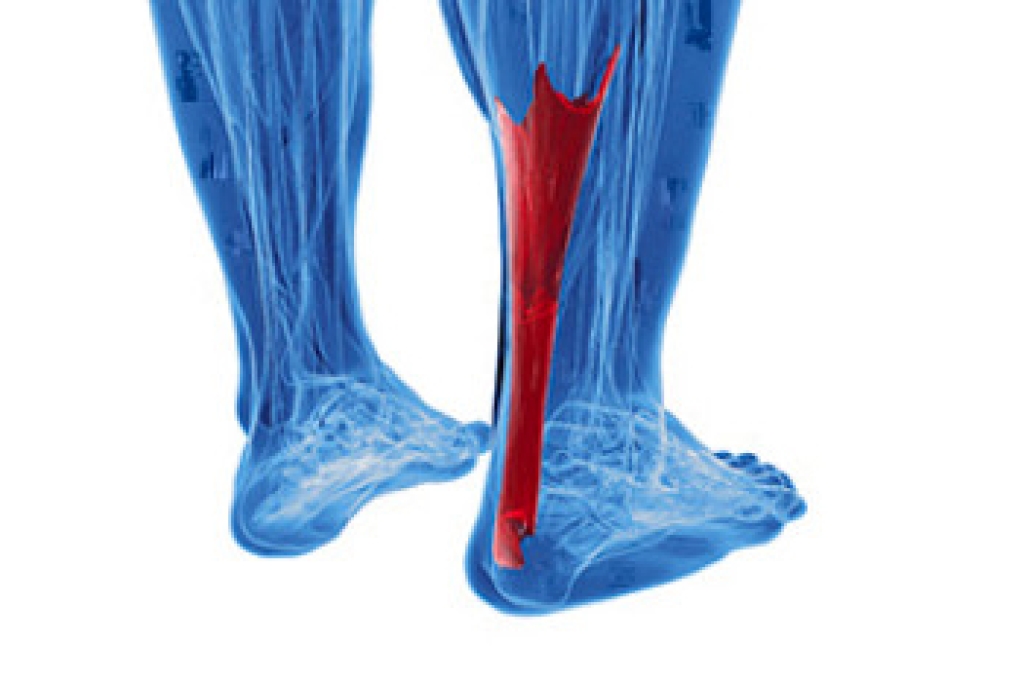
Posterior Achilles tendon bursitis causes pain where the back of a shoe meets the heel. It develops when repeated shoe pressure inflames a bursa between the skin and Achilles tendon. A bursa is a small, fluid-filled cushion that reduces friction. Early signs include redness, warmth, and tenderness at the back of the heel. Irritation can cause skin damage or a soft, painful bump. In long-lasting cases, the bump can become firm as the tissue thickens and calcium collects within it.
Shoes with a stiff back or a poor fit can rub against this sensitive area. High-heeled shoes are a risk because they place the shoe counter against the back of the heel. A bony prominence called Haglund’s deformity can increase pressure and encourage a bursa to develop. Pain from bursitis can resemble pain from other Achilles tendon problems. Achilles tendinitis affects the tendon itself, while another condition can cause pain where the tendon attaches to the heel bone. A podiatrist can identify the source by examining the location, texture, and appearance of the area. Imaging is not always required, but it can help when the cause remains unclear.
Treatment focuses on reducing pressure and protecting the inflamed area. A podiatrist can evaluate shoe fit and recommend shoes with a low heel that do not press against the bursa. Heel pads, protective gel wraps, or padding placed around the bump can reduce rubbing. Custom orthotics can improve rear-foot stability and limit irritating movement while walking. A podiatrist can monitor skin damage and check for signs of another heel condition. When a bony prominence continues to place pressure on the area, surgery can be considered to remove part of the bone. Early care can reduce irritation before it causes greater pain while wearing shoes or moving throughout the day. If you have sustained an Achilles tendon injury, it is suggested that you promptly schedule an appointment with a podiatrist for effective relief and treatment solutions.
Achilles tendon injuries need immediate attention to avoid future complications. If you have any concerns, contact Judson Siegel, DPM of Assabet Family Podiatry. Our doctor can provide the care you need to keep you pain-free and on your feet.
What Is the Achilles Tendon?
The Achilles tendon is a tendon that connects the lower leg muscles and calf to the heel of the foot. It is the strongest tendon in the human body and is essential for making movement possible. Because this tendon is such an integral part of the body, any injuries to it can create immense difficulties and should immediately be presented to a doctor.
What Are the Symptoms of an Achilles Tendon Injury?
There are various types of injuries that can affect the Achilles tendon. The two most common injuries are Achilles tendinitis and ruptures of the tendon.
Achilles Tendinitis Symptoms
- Inflammation
- Dull to severe pain
- Increased blood flow to the tendon
- Thickening of the tendon
Rupture Symptoms
- Extreme pain and swelling in the foot
- Total immobility
Treatment and Prevention
Achilles tendon injuries are diagnosed by a thorough physical evaluation, which can include an MRI. Treatment involves rest, physical therapy, and in some cases, surgery. However, various preventative measures can be taken to avoid these injuries, such as:
- Thorough stretching of the tendon before and after exercise
- Strengthening exercises like calf raises, squats, leg curls, leg extensions, leg raises, lunges, and leg presses
If you have any questions please feel free to contact our offices located in Marlborough and Plainville, MA . We offer the newest diagnostic tools and technology to treat your foot and ankle needs.
