
Have your child's feet been examined lately? Healthy feet are happy feet. If your child is complaining of foot pain, it may be a sign of underlying problems.
Have your child's feet been examined lately? Healthy feet are happy feet. If your child is complaining of foot pain, it may be a sign of underlying problems.

An ankle sprain occurs when the strong bands of tissue that support the ankle are stretched or torn. These bands, called ligaments, help keep the joint stable. A sprain can occur when the foot rolls inward, the ankle twists suddenly, or a person lands awkwardly. Sports often lead to ankle sprains, but they also happen from tripping on a step or walking on uneven ground. Symptoms include pain, swelling, and bruising. Putting weight on the injured foot becomes a problem. The amount of pain does not always show how serious the injury is, so a proper examination is important.
Ankle sprains are grouped by how much ligament damage has occurred. A mild sprain involves stretching with little damage, while a moderate sprain involves a partial tear. A severe sprain can involve a complete tear and significant ankle instability. A podiatrist can examine the ankle, check its movement, and determine where tenderness is located. The examination can also help distinguish a sprain from a broken bone or another injury. X-rays can be ordered when a fracture is suspected. Other imaging tests can provide a closer look at ligaments and nearby tissues when the extent of the injury is unclear.
Treatment depends on the location and severity of the sprain. A podiatrist can protect and stabilize the ankle with taping, a brace, or a walking boot. More serious injuries require a cast or another form of support. Surgery is rarely required, but it can be considered for severe ligament damage or ongoing instability. A podiatrist can also guide a safe return to work, exercise, and sports. Returning too soon can raise the risk of another sprain and lead to chronic ankle weakness. Follow-up visits allow the podiatrist to check healing and adjust treatment as the ankle improves. If you have symptoms of an ankle sprain, it is suggested that you schedule an appointment with a podiatrist for a diagnosis and appropriate treatment.
Although ankle sprains are common, they aren’t always minor injuries. If you need your ankle injury looked at, contact Judson Siegel, DPM from Assabet Family Podiatry. Our doctor can provide the care you need to keep you pain-free and on your feet.
How Does an Ankle Sprain Occur?
Ankle sprains are the result of a tear in the ligaments within the ankle. These injuries may happen when you make a rapid shifting movement while your foot is planted. A less common way to sprain your ankle is when your ankle rolls inward while your foot turns outward.
What Are the Symptoms?
Preventing a Sprain
Treatment of a Sprain
In many cases, the RICE method (Rest, Ice, Compression, and Elevate) is used to treat ankle sprains. However, you should see a podiatrist to see which treatment option would work best with your injury. In severe cases, surgery may be required.
It is important to ask your doctor about rehab options after you receive treatment for your injury. Stretching, strength training, and balance exercises may help the ankle heal while also preventing further injury.
If you have any questions, please feel free to contact our offices located in Marlborough and Plainville, MA . We offer the newest diagnostic and treatment technologies for all your foot care needs.
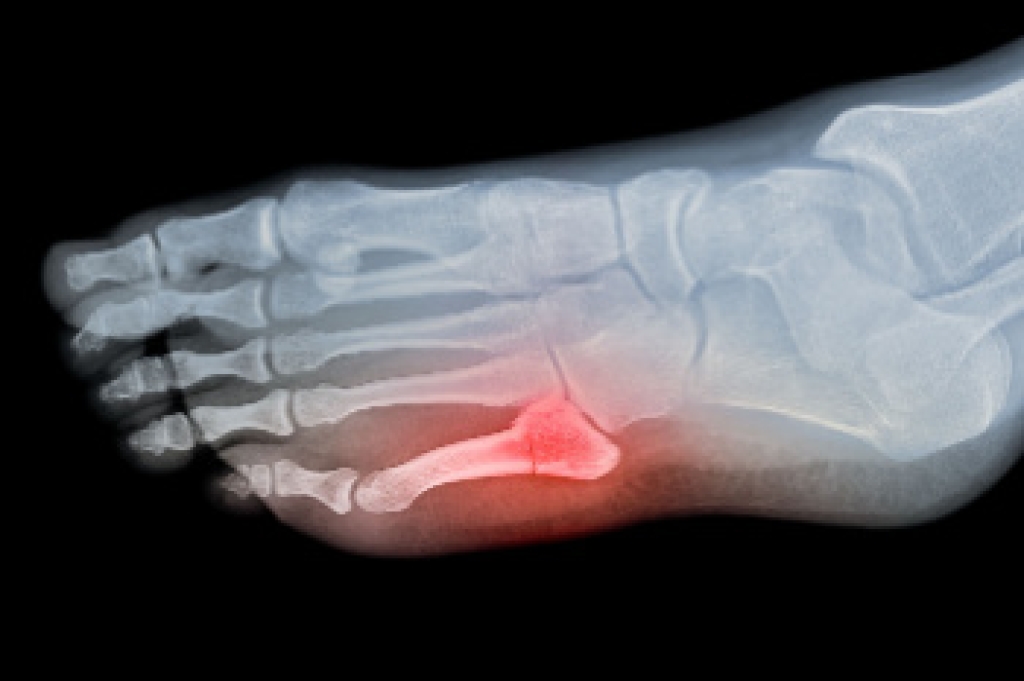
A broken toe can happen when a toe is struck, crushed, or hit by a heavy object. Each toe contains small bones that can fracture after an injury. Symptoms can include pain, swelling, and stiffness. Some broken toes can also look crooked if the bone has moved out of its normal position. The big toe deserves particular attention because it plays an important role in balance and walking. An open wound near the injury can also signal a more serious fracture. A podiatrist can examine the toe, assess its position, and determine how serious the injury is. An examination can also help identify whether an X-ray or other evaluation is appropriate.
Treatment for a broken toe depends on the location and severity of the injury. A podiatrist can evaluate the toe and provide care designed to support proper healing. This can include stabilizing the toe, protecting the injured area, and monitoring its progress. Some fractures heal without surgery, while more severe injuries can require additional treatment. A crooked toe may need to be carefully realigned so the bone can heal in a proper position. Injuries involving an open wound, significant swelling, or the big toe require careful evaluation. A podiatrist can also assess how the injury affects your ability to stand, walk, and wear shoes comfortably.
Most broken toes heal with appropriate treatment, but the healing period can vary based on the injury. More serious fractures can take longer to heal and sometimes require casting or surgery. A podiatrist can monitor healing and look for signs that the toe is not recovering as expected. Symptoms like increasing pain or swelling, numbness, or a toe that becomes more crooked should receive prompt attention. Podiatric evaluation can also help reduce the risk of problems caused by an improperly aligned toe. Getting the injury assessed allows treatment to be based on the type and severity of the fracture. If you have broken your toe, it is suggested that you schedule an appointment with a podiatrist for effective relief and treatment solutions.
Broken toes may cause a lot of pain and should be treated as soon as possible. If you have any concerns about your feet, contact Judson Siegel, DPM from Assabet Family Podiatry. Our doctor will treat your foot and ankle needs.
What Is a Broken Toe?
A broken toe occurs when one or more of the toe bones of the foot are broken after an injury. Injuries such as stubbing your toe or dropping a heavy object on it may cause a toe fracture.
Symptoms of a Broken Toe
Although the injured toe should be monitored daily, it is especially important to have a podiatrist look at your toe if you have severe symptoms. Some of these symptoms include worsening or new pain that is not relieved with medication, sores, redness, or open wounds near the toe.
If you have any questions please feel free to contact our offices located in Marlborough and Plainville, MA . We offer the newest diagnostic tools and technology to treat your foot and ankle needs.

Foot and ankle pain while running is often the result of overuse injuries. These occur when repetitive stress exceeds the body’s ability to recover. The foot and ankle absorb significant impact with each step, making them vulnerable to strain and inflammation. Recognizing the definition of running related injuries can help individuals take preventive measures and maintain consistent activity levels without discomfort.
Symptoms can vary depending on the condition, but often include localized pain, swelling, and reduced mobility. Some runners experience a dull ache that intensifies with activity, while others feel sharp pain during specific movements. Risk factors include over-training, wearing worn-out shoes, and having biomechanical imbalances like flat feet or high arches. Inadequate recovery time between runs can also increase the likelihood of injury. These factors contribute to several common types of foot and ankle conditions seen in runners.
Plantar fasciitis involves inflammation of the plantar fascia and is typically felt as heel pain that is worse after periods of rest. Achilles tendinitis causes discomfort along the back of the ankle and may feel tight or sore during movement. An ankle sprain results from a sudden twist or roll of the joint, leading to pain, swelling, and instability. Additionally, a stress fracture is a small break in the bone that develops gradually and produces a persistent, localized pain that worsens with weight bearing. Each condition affects runners differently but is linked to repetitive strain and mechanical stress.
Preventing foot and ankle pain requires a balanced approach that includes wearing proper footwear, gradual increases in training, and attention to body mechanics. Stretching, strengthening, and rest are important components of injury prevention and recovery. Awareness of risk factors allows runners to make informed decisions about their training routines. If you enjoy running and have developed foot or ankle pain, it is suggested that you consult a podiatrist for effective treatment solutions and prevention tips.
Ankle and foot injuries are common among athletes and in many sports. They can be caused by several problems and may be potentially serious. If you are feeling pain or think you were injured in a sporting event or when exercising, consult with Judson Siegel, DPM from Assabet Family Podiatry. Our doctor will assess your condition and provide you with quality foot and ankle treatment.
Common Injuries
The most common injuries that occur in sporting activities include:
Symptoms
Symptoms vary depending upon the injury and in some cases, there may be no symptoms at all. However, in most cases, some form of symptom is experienced. Pain, aching, burning, bruising, tenderness, tightness or stiffness, sensation loss, difficulty moving, and swelling are the most common symptoms.
Treatment
Just as symptoms vary depending upon the injury, so do treatment options. A common treatment method is known as the RICE method. This method involves rest, applying ice, compression and elevating the afflicted foot or ankle. If the injury appears to be more serious, surgery might be required, such as arthroscopic or reconstructive surgery. Lastly, rehabilitation or therapy might be needed to gain full functionality in the afflicted area. Any discomfort experienced by an athlete must be evaluated by a licensed, reputable medical professional.
If you have any questions please contact our offices located in Marlborough and Plainville, MA . We offer the newest diagnostic and treatment technologies for all your foot and ankle needs.

An ingrown toenail, medically known as onychocryptosis, develops when the edge of the nail grows into the surrounding skin. This condition most often affects the big toe and can lead to pain, inflammation, and infection if not treated. It develops when the nail plate presses into the soft tissue, causing irritation and a break in the skin barrier. This can allow bacteria to enter, increasing the risk of infection. Understanding the types and causes of ingrown toenails is important for early recognition and proper care.
There are three main types of ingrown toenails based on the location of the nail growth. The lateral type is the most common and occurs when the side edge of the nail grows into the adjacent skin. The distal type develops at the front edge of the nail, where it presses downward into the skin. The proximal type is less common and involves the base of the nail growing into the surrounding tissue near the cuticle.
Symptoms of ingrown toenails include redness, swelling, tenderness, and pain along the affected nail edge. As the condition progresses, the area may become warm and produce drainage or pus, indicating infection. Walking and wearing shoes may become uncomfortable due to pressure on the toe. Risk factors include improper nail trimming, wearing tight or narrow footwear, and repetitive trauma from physical activity. Naturally curved nails may also be a factor. Individuals with conditions such as diabetes may face increased complications due to slower healing and reduced sensation.
The causes of ingrown toenails are often related to both mechanical pressure and personal habits. Repeated stress from walking or running may also contribute. Early care and prevention strategies can reduce the likelihood of recurrence and improve comfort. If you have an ingrown toenail, it is suggested that you consult a podiatrist who can effectively treat this condition, which may include minor surgery.
Ingrown toenails can become painful if they are not treated properly. For more information about ingrown toenails, contact Judson Siegel, DPM of Assabet Family Podiatry. Our doctor can provide the care you need to keep you pain-free and on your feet.
Ingrown Toenails
Ingrown toenails occur when a toenail grows sideways into the bed of the nail, causing pain, swelling, and possibly infection.
Causes
Prevention
Wearing proper fitting shoes and using proper cutting techniques will also help decrease your risk of developing ingrown toenails.
Treatment
Ingrown toenails are a very treatable foot condition. In minor cases, soaking the affected area in salt or antibacterial soaps will not only help with the ingrown nail itself, but also help prevent any infections from occurring. In more severe cases, surgery is an option. In either case, speaking to your podiatrist about this condition will help you get a better understanding of specific treatment options that are right for you.
If you have any questions, please feel free to contact our offices located in Marlborough and Plainville, MA . We offer the newest diagnostic and treatment technologies for all your foot care needs.
Connect With Us
